
Travelling alone goes beyond exploring marvellous architecture, natural beauty, experiencing different cultures, traditions, delicious cuisines, and ways of life. It’s about a deeper sense of self-discovery, the freedom to meet new people, and showing respect for the culture you’re stepping into. Every country has its own culture, traditions, and laws, and it’s paramount to be aware of the local customs for a smooth travel experience. Sometimes, travellers, unaware of cultural etiquette and laws of their travelling country, land in awkward or disrespectful situations. That’s why understanding cultural etiquette is indispensable for a smooth travel experience. From planning to embracing local etiquette, this blog provides essential solo travel tips to help you travel with confidence and ease. Here are some essential cultural etiquette tips every traveller should know.
Solo travel tips: Avoid mistakes with these cultural etiquette rules
Respect local customs for greetings
The way you greet someone says a lot about you and leaves a lasting impression. In some cultures, a firm handshake might feel normal and show warmth, but in others, the same gestures can feel intrusive—especially when interacting with the opposite gender, such as in some Muslim countries. In some places, a bow shows respect, a hand on the heart or a kiss on the cheeks is considered normal. Learn online or observing how locals greet each other is the safest way to adapt. Researching local customs before arrival or observing how locals greet each other on the spot is the safest way to adapt.
Dress modestly & appropriately
Skirts, shorts, torn jeans or any other dress that exposes the body are considered a fashion symbol of modernity. However, when visiting religious or sacred sites, travellers should dress modestly. Wearing indecent clothes can sometimes lead to fines, public shaming, or even deportation. At holy sites, travellers are required to cover their shoulders, arms, or legs to show respect for the place and the local community. It’s always best to research the dress code before you travel.
Mind your table manners
Your table manners and eating habits can significantly affect how others perceive your respect for cultural norms. In some cultures, slurping is considered poor table manners, while in others—such as Japan—slurping noodles shows that you’re enjoying the meal. Similarly, requesting extra cheese at restaurants might signal that you love it, but in Italy, it is considered an insult to the chef.
In the same way, holding a fork in the left hand and eating with the left hand is customary, while in others, eating with left hand is considered inappropriate. Also, tipping practices vary— what’s generous in one country may be unnecessary or even offensive in another. Pay attention to how locals behave at the table.
Don’t linger in public spaces with your baggage, loudspeaker
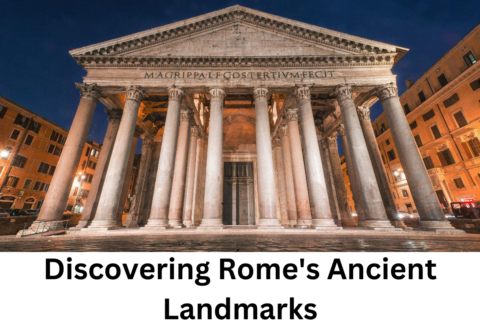
Many countries have imposed strict regulations on using public spaces, such as historic monuments, with your luggage, picnic gear, or blasting music. You can expect a fine if you block or damage the historic monuments with your luggage.
Avoid anti-social behaviour
Enjoying time abroad—whether it’s on the beach or visiting popular attractions—is exciting, but enjoyment at the cost of disturbing others can land you in trouble. Many countries crack down on noisy or disturbing tourists who display inappropriate behaviour during their stay.
Be mindful to avoid anti-social actions such as drinking in public, walking around the town shirtless, or in swimwear, smoking on beaches, littering, or disturbing neighbours.
Learn basic local phrases
Making an effort to speak a few words of the native language shows locals that you respect their culture. Simple phrases such as “hello, please, thank you” can go a long way as locals often appreciate travellers who try to communicate in their language.
Respect people’s space
Personal space norms vary across cultures globally. Some cultures are comfortable with proximity, while others value distance. Standing too close or too far can make interaction uncomfortable and awkward. It’s better to observe and adjust accordingly.
Respect religious & cultural practices
Religion plays a crucial role in every society, and people are deeply and emotionally connected to it. Be mindful when visiting places of worship and show respect by removing shoes, covering your head, or maintaining silence. Also, avoid taking photos where it’s not allowed, and always ask permission when unsure.
Avoid sensitive topics
Talking about politics, religion, or social issues can sometimes offend locals, create tension, and even lead to conflict. Don’t discuss these topics and focus on making your holidays joyful and peaceful.
Ask before taking photos
Cultural festivals, local performances, natural wonders, and iconic museums tempt travellers to capture the memories on camera. However, many communities don’t want to be photographed, and in some places, photography is restricted. For example, at festivals like the Kumbh Mela in India, at sacred religious sites, and natural wonders such as Uluru-Kata Tjuta National Park in Australia, photography is prohibited in certain areas. Respecting privacy is a key part of being a responsible traveller.
Solo travel is more than just a journey. It’s an opportunity to discover, connect with the world and enjoy the surroundings on your own terms. By following these solo travel tips, you can not only avoid unnecessary tension but also ensure a smoother, enjoyable travel experience. Thoughtful travellers always create positive interactions and leave a lasting impression wherever they go. Travel smart, stay respectful, and embrace the beauty of cultural diversity.